Vertigo/dizziness and Syncope (चक्कर आना / बेहोशी)
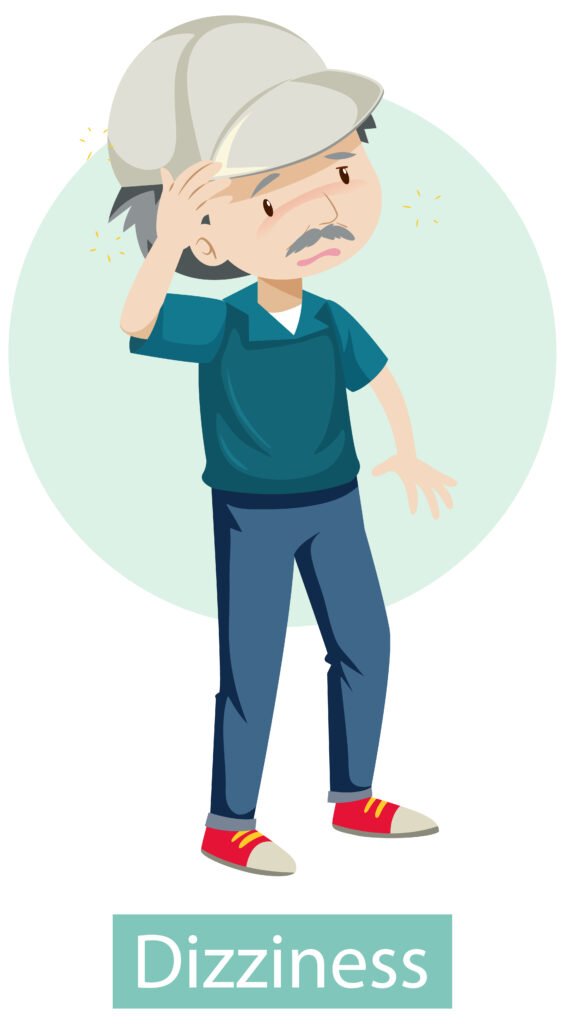
If you’ve ever felt the room spinning, a sense of unsteadiness, or even fainted without warning, you’re not alone. Vertigo, dizziness, and syncope are common symptoms that many people experience at some point in their lives. As a seasoned copywriter with years of medical writing experience, I’m here to help you understand these complex terms, their causes, what signs to look out for, and how they may relate to neurological conditions like Alzheimer’s disease.
What Are Vertigo, Dizziness, and Syncope?
Let’s break down these terms in simple, everyday language:
| Term | What It Feels Like | Main Causes |
|---|---|---|
| Vertigo | A spinning sensation, either of yourself or the surroundings | Inner ear problems, migraine, certain medications |
| Dizziness | Feeling faint, woozy, lightheaded, or unstable | Low blood pressure, dehydration, anxiety, blood sugar changes |
| Syncope | Temporary loss of consciousness (fainting) | Drop in blood flow to the brain, heart problems, standing up too quickly |
Why Do Vertigo and Dizziness Occur?
Vertigo and dizziness can be triggered by various causes, some harmless and others requiring medical attention. The most common reasons include:
Inner Ear Disorders: Conditions like benign paroxysmal positional vertigo (BPPV), Ménière’s disease, and vestibular neuritis affect the ear’s balance mechanism.
Low Blood Pressure: Standing up too quickly or dehydration can make blood pressure dip, creating lightheadedness.
Medications: Some medicines, notably those that lower blood pressure or affect the nervous system, may cause dizziness as a side effect.
Neurological Disorders: Migraines, multiple sclerosis, and stroke can present with dizziness or vertigo.
What Is Syncope and Should You Be Concerned?
Syncope, or fainting, happens when your brain temporarily doesn’t receive enough blood, causing you to lose consciousness for a brief period. Some common triggers include:
Sudden Drop in Blood Pressure: Especially after standing up quickly.
Heart Conditions: Abnormal heart rhythms or structural heart issues can reduce blood flow to the brain.
Vasovagal Syncope: Triggered by pain, stress, or standing for too long.
Syncope can sometimes indicate a serious illness, particularly if it occurs with chest pain, irregular heartbeat, or while exercising.
When Should You See a Neurologist?
You should seek medical attention if you experience:
Sudden or severe dizziness/vertigo
Fainting and loss of consciousness
Dizziness with headache, chest pain, numbness, or difficulty speaking
These could signal a more urgent neurological or cardiovascular issue. Dr. Sumit Verma’s clinic specializes in diagnosing and treating such conditions, and you can reach out through his contact form for a timely assessment.
How Are Vertigo, Dizziness, or Syncope Diagnosed and Managed?
A neurologist will likely start by asking about your symptoms, medical history, and medications. Common diagnostic steps include:
Physical Exams: Checking your balance, hearing, and blood pressure.
Lab Tests: Ruling out blood sugar or anemia issues.
Imaging (MRI/CT scans): For persistent or severe cases.
Heart Testing (ECG, echocardiogram): To exclude cardiac causes.
Treatment depends on the underlying issue but may involve:
Medications (for migraine, vestibular disorders, or heart conditions)
Lifestyle changes (hydration, slow posture changes)
Balance rehabilitation exercises
If you’re experiencing ongoing symptoms, consider booking an appointment at Dr. Sumit Verma’s neurology clinic for personalized care and management.
Useful Resources
For further reading, you may find these credible sources helpful:
These links provide in-depth information on each topic and support your journey to better health.
Take the Next Step
Dealing with vertigo, dizziness, or fainting can be unsettling, especially if you or a loved one are managing a neurological condition like Alzheimer’s. Don’t hesitate to contact us with your concerns, or book an appointment with Dr. Sumit Verma for expert advice. Your health, safety, and peace of mind matter.