Stroke (मस्तिष्क आघात)
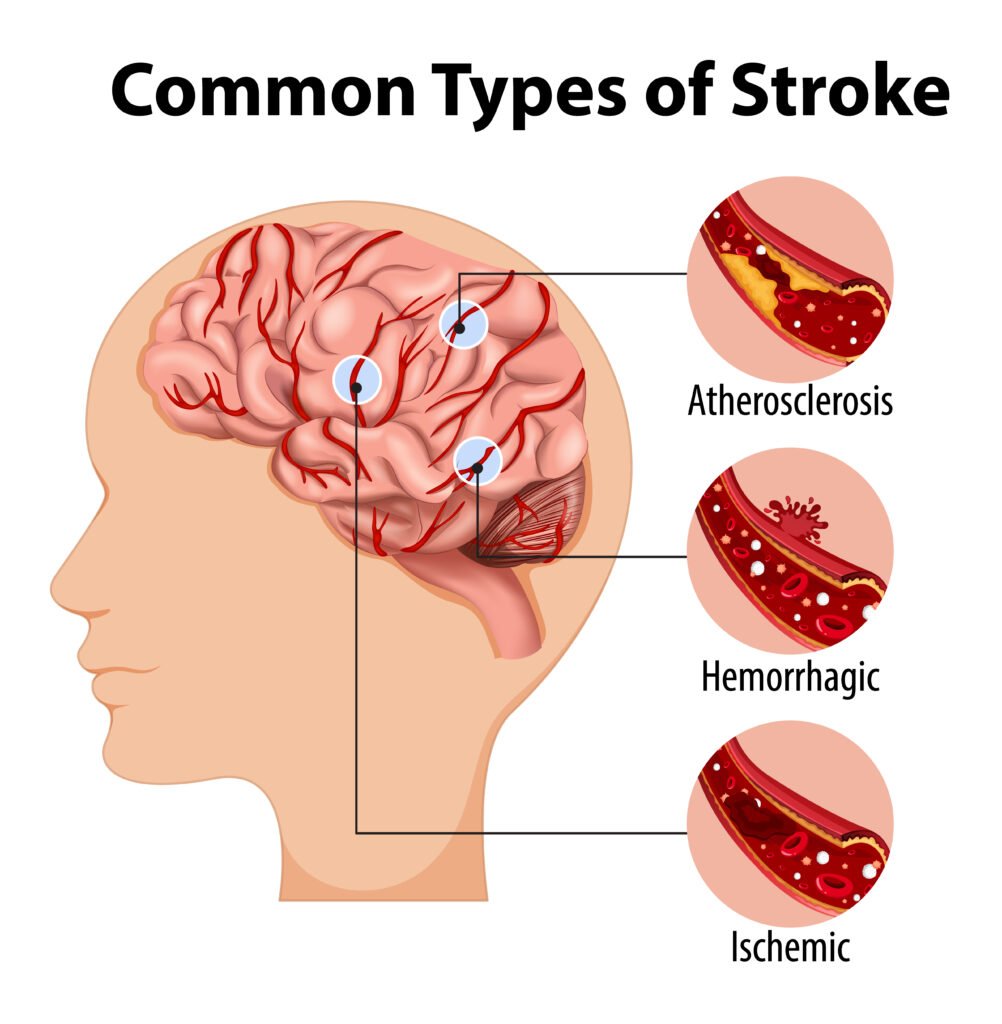
Brain stroke is a major health concern that affects millions worldwide. Having a clear understanding of what a stroke is, what causes it, how to recognize its symptoms, and what treatments are available can save lives. This guide is designed to give patients and families essential information in simple language.
What Is a Brain Stroke?
A brain stroke (simply called “stroke”) is a medical emergency occurring when the blood supply to a part of the brain is interrupted. The brain cells in the affected area stop receiving oxygen and nutrients, causing some of them to die within minutes. This sudden event can lead to permanent brain damage, disability, or even death if not treated quickly.
Types of Brain Stroke
There are two main types:
Ischemic Stroke: This is the most common type (about 87% of all cases), caused by a blockage—usually a blood clot—in an artery supplying the brain.
Hemorrhagic Stroke: This happens when a blood vessel in the brain bursts, causing bleeding inside or around the brain.
Signs and Symptoms of Stroke
Recognizing stroke symptoms quickly is crucial. Immediate care can save lives and boost chances of recovery. The acronym F.A.S.T. can help:
F – Face Drooping: One side of the face may droop or feel numb.
A – Arm Weakness: Sudden weakness in one arm.
S – Speech Difficulties: Trouble speaking or understanding speech.
T – Time to Call Emergency Services: If you notice any of the above, seek help right away.
Other symptoms include:
Sudden confusion
Trouble seeing from one or both eyes
Difficulty walking, dizziness, or loss of balance
Sudden, severe headache
Causes and Risk Factors
Several factors raise the risk of having a stroke:
High blood pressure (biggest risk factor)
Smoking
Diabetes
High cholesterol
Obesity and lack of physical activity
Heart disease
A family history of stroke
Heavy alcohol use
Learn more about risk factors and prevention from the CDC.
Diagnosis: What to Expect
When stroke symptoms appear, doctors quickly perform tests such as CT scans or MRIs to find out the type of stroke. Blood tests and heart monitoring may also be done to guide the best treatment plan.
The American Stroke Association has more detailed and patient-friendly resources.
Treatment Options
Ischemic Stroke: Medicines can dissolve the blood clot (such as tPA), or doctors may use a treatment called thrombectomy to remove the clot.
Hemorrhagic Stroke: Focus is on stopping the bleeding, reducing pressure on the brain, and repairing blood vessels—sometimes surgery is required.
Rehabilitation, including physical, speech, and occupational therapy, is often needed for the best outcome.
Preventing Brain Stroke
Some risk factors (like family history) can’t be changed, but many are under our control. Stroke prevention includes:
Regularly checking and managing your blood pressure
Quitting smoking
Staying active and exercising
Eating a balanced diet low in salt and saturated fats
Keeping a healthy weight
Limiting alcohol
Managing diabetes and cholesterol with your doctor’s help
The World Health Organization shares more on stroke prevention.
Life After a Stroke
Recovery often involves rehab and ongoing medical support. With help from neurologists like Dr. Sumit Verma, many regain independence and improve their quality of life. For expert care and support, you can visit drsumitverma.com. If you have concerns or want a more personalized plan, book an appointment or contact us.
When to Seek Immediate Care
Never ignore stroke symptoms. If someone suddenly cannot speak, move, or see, get emergency help right away. Fast action reduces brain injury and saves lives.
Resources and Support
Understanding the basics of stroke can help you act quickly and seek the right help. For trustworthy, easy-to-understand information about neurological conditions, visit drsumitverma.com to get in touch with experts and get the right support.