Neuropathy and Myopathy (न्यूरोपैथी एवं मायोपैथी)
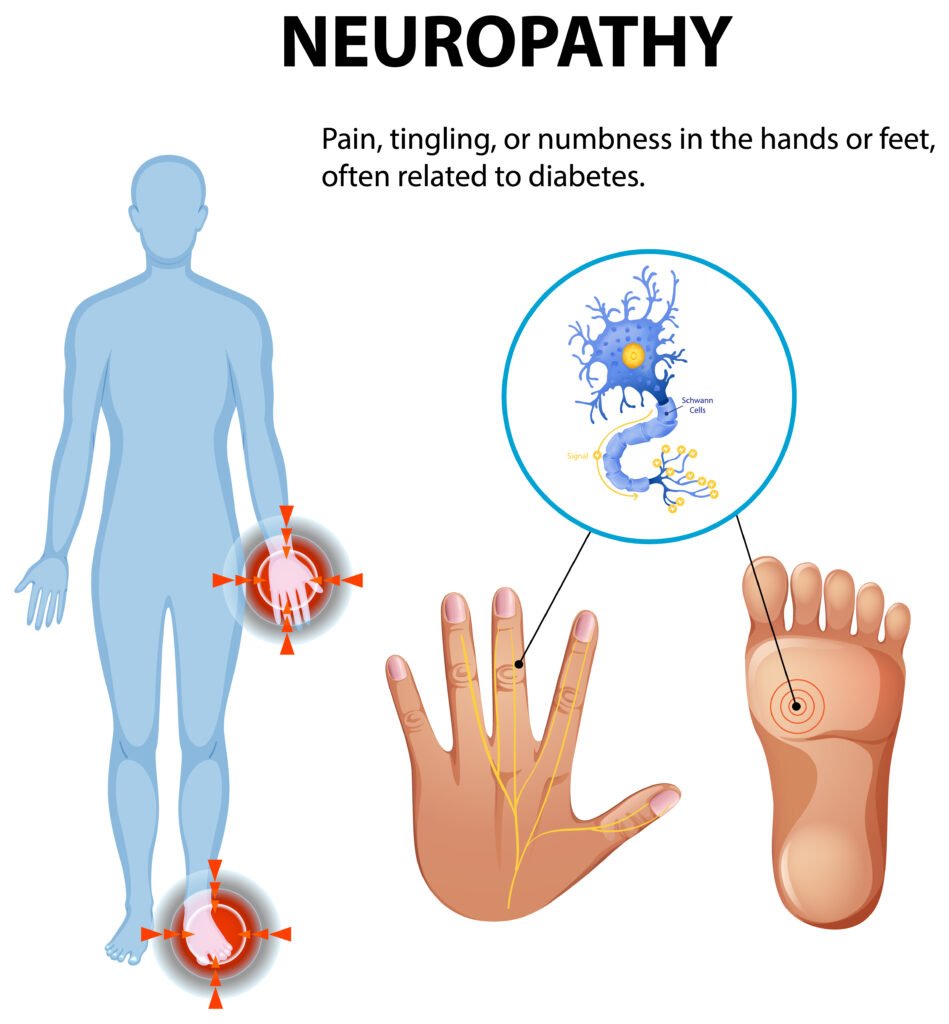
Neuropathy and myopathy are two common but often misunderstood conditions that affect the nerves and muscles, respectively. If you’ve ever experienced unexplained muscle weakness, numbness, or tingling sensations, learning about these conditions can help you better understand what might be happening in your body. This guide will break down what neuropathy and myopathy are, their symptoms, causes, and when it’s important to seek expert advice from a neurologist.
What is Neuropathy?
Neuropathy refers to a disorder of the nerves, particularly the peripheral nerves that connect your brain and spinal cord to the rest of your body. When these nerves are damaged, signals can be disrupted, leading to various symptoms.
Key Symptoms of Neuropathy
Numbness or tingling in hands and feet
Sharp, stabbing, or burning pain
Weakness in arms or legs
Reduced sensation to touch
Loss of coordination or balance
Common Causes of Neuropathy
Diabetes: The most common cause, leading to diabetic neuropathy.
Infections: Such as Lyme disease, shingles, or HIV.
Autoimmune diseases: Like lupus or rheumatoid arthritis.
Vitamin deficiencies: Especially B12.
Exposure to toxins: Heavy metals or certain medications.
Chronic alcoholism
Early intervention is key to managing neuropathy. If you notice persistent symptoms, it’s advisable to consult a neurology expert, such as those available at drsumitverma.com.
What is Myopathy?
Myopathy encompasses diseases that directly affect the muscles, leading to muscular weakness. Unlike neuropathy, which is nerve-based, myopathy originates in the muscles themselves.
Main Symptoms of Myopathy
Gradual muscle weakness, especially in the thighs, hips, shoulders, and arms
Difficulty climbing stairs or lifting objects
Muscle cramps or stiffness
Trouble swallowing (in severe cases)
Fatigue after minimal physical activity
Frequent Causes of Myopathy
Genetic disorders: Such as muscular dystrophies
Inflammatory conditions: Like polymyositis or dermatomyositis
Drug-induced myopathy: Certain cholesterol medications (statins)
Endocrine disorders: Thyroid problems or Cushing’s syndrome
Metabolic issues: Problems with enzyme production in the muscles
Timely diagnosis and management of myopathy can prevent serious complications. Learn more about muscle diseases and explore specialized care options on our Neurology Services page.
Diagnosing Neuropathy and Myopathy
A neurologist may perform several tests to determine the exact cause of your symptoms, such as:
Physical and neurological examinations
Blood tests for vitamin deficiencies, infections, or autoimmune markers
Electromyography (EMG) and nerve conduction studies
Muscle or nerve biopsies
MRI or ultrasound imaging
If you have ongoing symptoms and want a personalized evaluation, you can book an appointment with Dr. Sumit Verma, an experienced neurologist.
Treatment Approaches
Neuropathy
Treatment depends on the underlying cause:
Managing blood sugar for diabetic neuropathy
Vitamin supplements for deficiencies
Medications for nerve pain, such as pregabalin or gabapentin
Physical therapy to maintain function
Explore recognized information from sources like the National Institute of Neurological Disorders and Stroke.
Myopathy
Treating the root cause, such as adjusting medications or treating autoimmune disease
Physical and occupational therapy
Anti-inflammatory medicines for some myopathies
Enzyme replacement for certain metabolic myopathies
For more information, visit the Muscular Dystrophy Association’s myopathy resources.
Living with Neuropathy or Myopathy
Maintain a healthy lifestyle: nutrition, exercise, and sleep matter
Monitor any new or worsening symptoms and report them to your doctor
Consider joining patient support groups, such as those suggested by the Neuromuscular Disease Center at Washington University.
If you need tailored advice or wish to discuss your medical history, feel free to contact us at any time.
When to See a Neurologist
Contact a neurologist promptly if you experience:
Sudden or worsening muscle weakness
Numbness or tingling that interferes with daily life
Difficulty walking or standing
Muscle pain that doesn’t improve with rest
For trusted neurology care, Dr. Sumit Verma and his team are ready to help. You can easily book an appointment or visit our Contact Us page for more information.
By understanding the basics of neuropathy and myopathy, you’re empowered to recognize early warning signs and seek the care you deserve.