Multiple Sclerosis(मल्टीपल स्क्लेरोसिस)
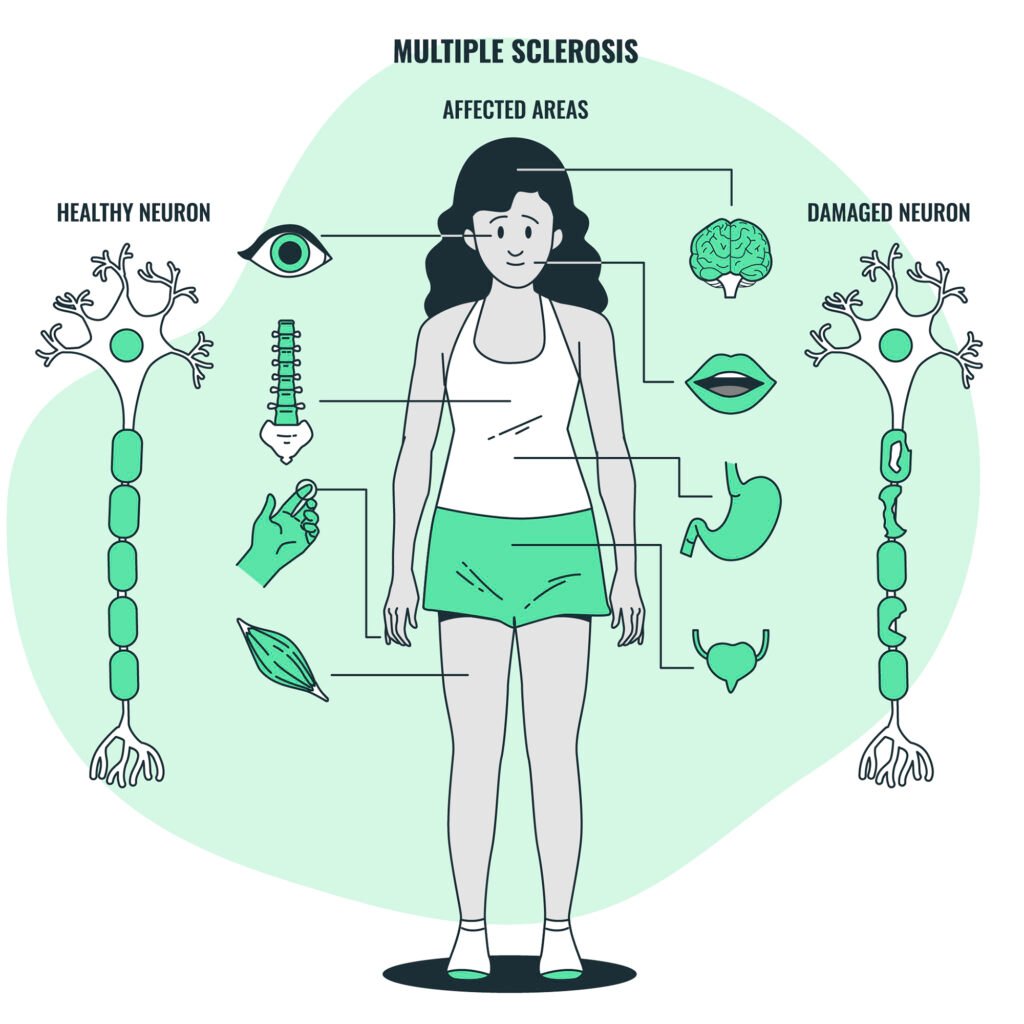
Multiple Sclerosis (MS) is a chronic, unpredictable disorder of the central nervous system, impacting the brain, spinal cord, and optic nerves. As a seasoned copywriter with over 11 years of experience, my goal is to break down everything you need to know about MS in a way that’s simple, informative, and patient-focused. This guide also incorporates SEO principles and natural opportunities for internal links to drsumitverma.com so readers can seamlessly access care and further insights.
What Is Multiple Sclerosis (MS)?
Multiple Sclerosis is an autoimmune condition where the immune system mistakenly attacks the protective myelin sheath covering nerve fibers. This leads to disruption in the communication between the brain and the rest of the body. The progression, severity, and specific symptoms of MS differ among individuals, making it a uniquely personal journey for each patient.
Key Symptoms of Multiple Sclerosis
MS symptoms can vary widely but commonly include:
Fatigue, often severe and persistent.
Muscle weakness or stiffness.
Numbness or tingling in limbs or face.
Vision problems (such as blurred or double vision).
Problems with coordination and balance, sometimes resulting in falls.
Cognitive difficulties, including memory lapses and trouble concentrating.
Issues with bladder or bowel function.
Mood changes or depression.
Symptoms may come and go, especially in early stages, or worsen over time.
What Causes Multiple Sclerosis?
The specific cause remains unknown, but several risk factors are linked to MS:
Genetics and family history
Viral infections (notably Epstein-Barr virus)
Low levels of vitamin D and reduced sunlight exposure
Smoking
Age (mostly diagnosed between ages 20–40)
Gender (women are more likely to develop MS)
Certain autoimmune diseases
MS is not contagious and doesn’t always run in families, though genetics play a role.
How Is MS Diagnosed?
Diagnosis of MS can be complex and involves:
Detailed medical history and neurological examination
MRI scans to detect lesions in the brain and spinal cord
Lumbar puncture (spinal tap) to analyze cerebrospinal fluid for markers of MS
Blood tests to rule out disorders that mimic MS
It’s important to consult a neurologist experienced in MS. You may consider booking a consultation or learning about the diagnostic process at Dr. Sumit Verma’s clinic.
Types of Multiple Sclerosis
There are several forms of MS, each with distinct characteristics:
| Type | Description |
|---|---|
| Relapsing-remitting MS | The most common form; involves flare-ups (relapses) followed by recovery (remission) |
| Primary progressive MS | Steady worsening without clear relapses or remissions |
| Secondary progressive MS | Initially begins as relapsing-remitting, then transitions to progressive decline |
| Progressive relapsing MS | Rare, combines progressive worsening and occasional relapses |
Treatment Options
Although there’s no cure for MS yet, a range of treatments can help manage symptoms and slow disease progression:
Disease-modifying therapies (DMTs): These medications aim to reduce the frequency and severity of relapses and delay long-term disability.
Steroids: Used for short periods to reduce inflammation during MS attacks.
Physical therapy: Improves strength, mobility, and daily functioning.
Medications: For muscle spasticity, fatigue, pain, bladder issues, depression, and walking difficulties.
Lifestyle adjustments: Healthy eating, regular moderate exercise, stress management, and avoiding extreme heat.
Emotional and social support: Counseling and joining MS support groups can be invaluable for coping with the emotional impact.
For a customized treatment plan, schedule a consultation with a neurologist.
Living Well with MS
Living with multiple sclerosis can be challenging. However, with early intervention, up-to-date treatments, and supportive care, most people with MS continue to lead active and fulfilling lives. It’s crucial to stay informed, follow your care plan, and reach out for support when needed. Visit the Contact Us page to connect with specialists who can guide you through every stage of your MS journey.
Frequently Asked Questions
Is MS hereditary?
Having a parent or sibling with MS increases your risk slightly, but most people with MS have no family history.
Can MS be cured?
Currently, there is no cure, but treatments help many people manage their symptoms and maintain their quality of life.
What should I do if I notice MS symptoms?
Contact a neurologist promptly for comprehensive evaluation and guidance. Early diagnosis can significantly improve long-term outcomes.
Helpful Resources
For further reading, you can explore patient stories and community experiences to gain hope and understanding of life with MS.
If you have further questions, wish to discuss MS symptoms, or want to explore your care options, don’t hesitate to contact Dr. Sumit Verma’s clinic or book an appointment for expert evaluation and support.
Multiple Sclerosis is a journey—every step taken with the right knowledge and support makes a difference in your quality of life.