Functional Neurological Disorder (कार्यात्मक तंत्रिका संबंधी विकार)
What is Functional Neurological Disorder?
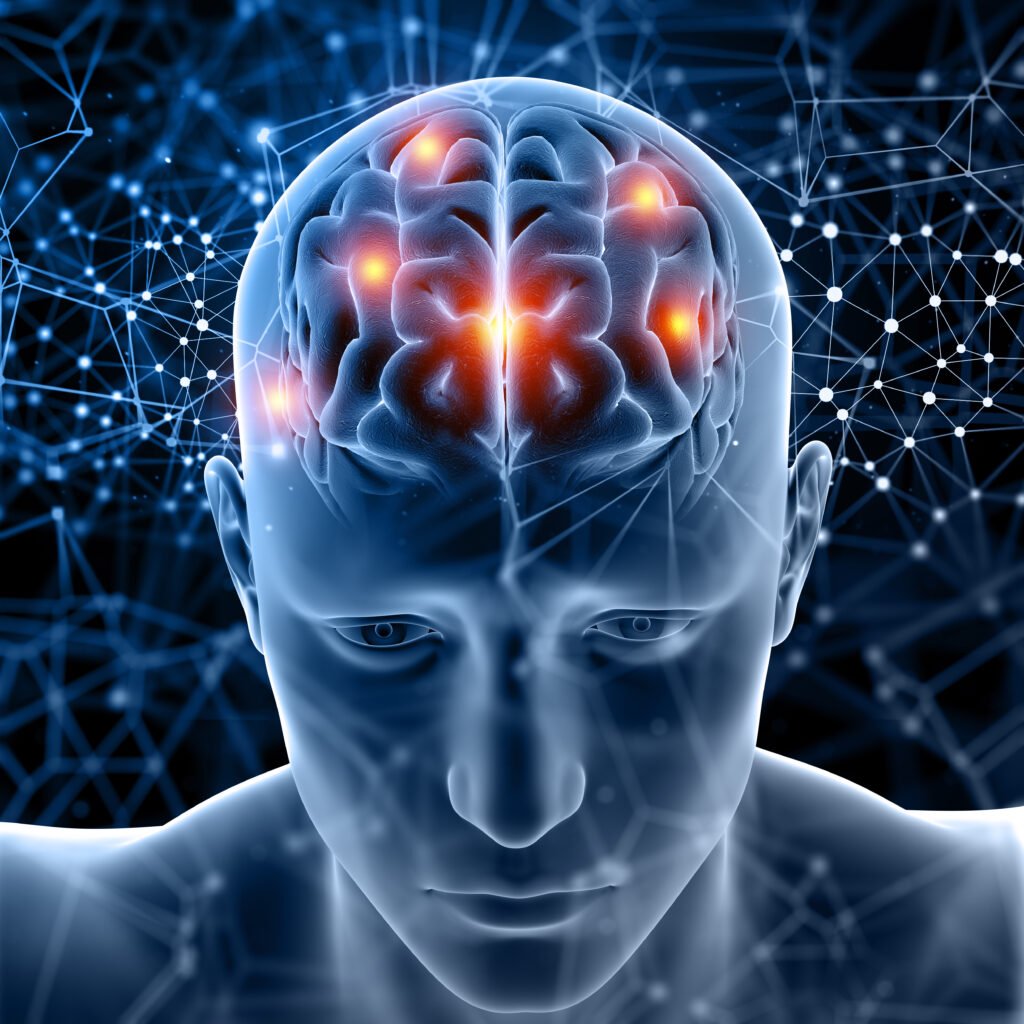
Functional Neurological Disorder (FND) is a medical condition where you experience neurological symptoms, such as weakness, movement issues, sensory disturbances, or even seizures, but these symptoms are not caused by identifiable structural damage to the nervous system. Instead, FND impacts the way your nervous system sends and processes signals, which can disrupt your body’s normal functioning.
Common Symptoms of FND
FND can present in a variety of ways. The symptoms can come and go and range from mild to severe. The most common symptoms include:
Limb weakness or paralysis
Unexplained movement disorders (tremors, spasms, abnormal gait)
Seizures or “non-epileptic attacks”
Speech or vision problems
Sensory changes, such as numbness or tingling
Many people with FND may first be concerned about diseases like multiple sclerosis, epilepsy, or stroke, but neurological testing usually does not show evidence of these conditions.
What Causes FND?
The exact cause of Functional Neurological Disorder is not fully understood. Research suggests a combination of biological, psychological, and social factors can contribute to its development. These may include:
Physical or emotional trauma
Chronic stress
Other health conditions or infections
Changes in brain connectivity and function
It is crucial for patients to know that FND symptoms are genuine and not “in the mind,” as sometimes misunderstood.
How is FND Diagnosed?
Diagnosis involves a detailed neurological examination, discussion of symptoms, and often some tests to rule out other conditions. FND is typically diagnosed based on positive signs your neurologist can see during examination, rather than the absence of disease in scans or tests. The diagnosis is never made by exclusion alone.
If you have questions about diagnosis or need specialized care, you can explore more about our approach to FND at drsumitverma.com. Our patient-centered approach ensures clarity and confidence at every step.
Living with FND: Treatment and Management
The good news is that Functional Neurological Disorder is treatable. Treatment is often multi-disciplinary and tailored to each individual. The most effective treatment options commonly include:
Specialist Physiotherapy: Focused exercises and movement retraining targeting functional symptoms.
Psychological Therapies: Cognitive-behavioral therapy (CBT) and other counseling offer tools to manage the condition.
Education and Support: Understanding FND empowers patients to actively participate in recovery.
Medications: While not always needed for FND itself, medications may address associated symptoms like anxiety or depression.
Early intervention with a neurologist skilled in FND can dramatically improve outcomes. If you’d like to discuss care options or schedule a visit, you can book an appointment online.
Frequently Asked Questions about FND
| Question | Short Answer |
|---|---|
| Is FND a mental illness? | No, FND is a neurological disorder affecting brain function, not structure. |
| Can FND go away? | Many patients improve with proper treatment, but symptoms may persist or recur for some. |
| Will I need lifelong treatment? | Not always—many people see substantial improvement or recovery with therapy and support. |
| Is FND common? | It is more common than many realize and is a frequent cause of neurological symptoms in clinics. |
For urgent queries, you can always contact us at any time.
External Resources for Learning More
To empower patients, here are reputable resources offering in-depth information on Functional Neurological Disorder:
National Health Service (NHS) – Functional Neurological Disorder (official UK health resource)
FND Hope – International FND Charity (patient advocacy and support)
Mayo Clinic – Functional Neurological Symptom Disorder (world-renowned medical center)
These resources are trustworthy, regularly updated, and can supplement information found on drsumitverma.com.
Taking the Next Step
If you suspect you are experiencing symptoms of Functional Neurological Disorder or want expert neurological care, you can easily book an appointment with Dr. Sumit Verma. For questions and more personalized guidance, please don’t hesitate to contact us. Providing timely and compassionate care for FND is our commitment.