Agitation (उलझन / घबराहट)
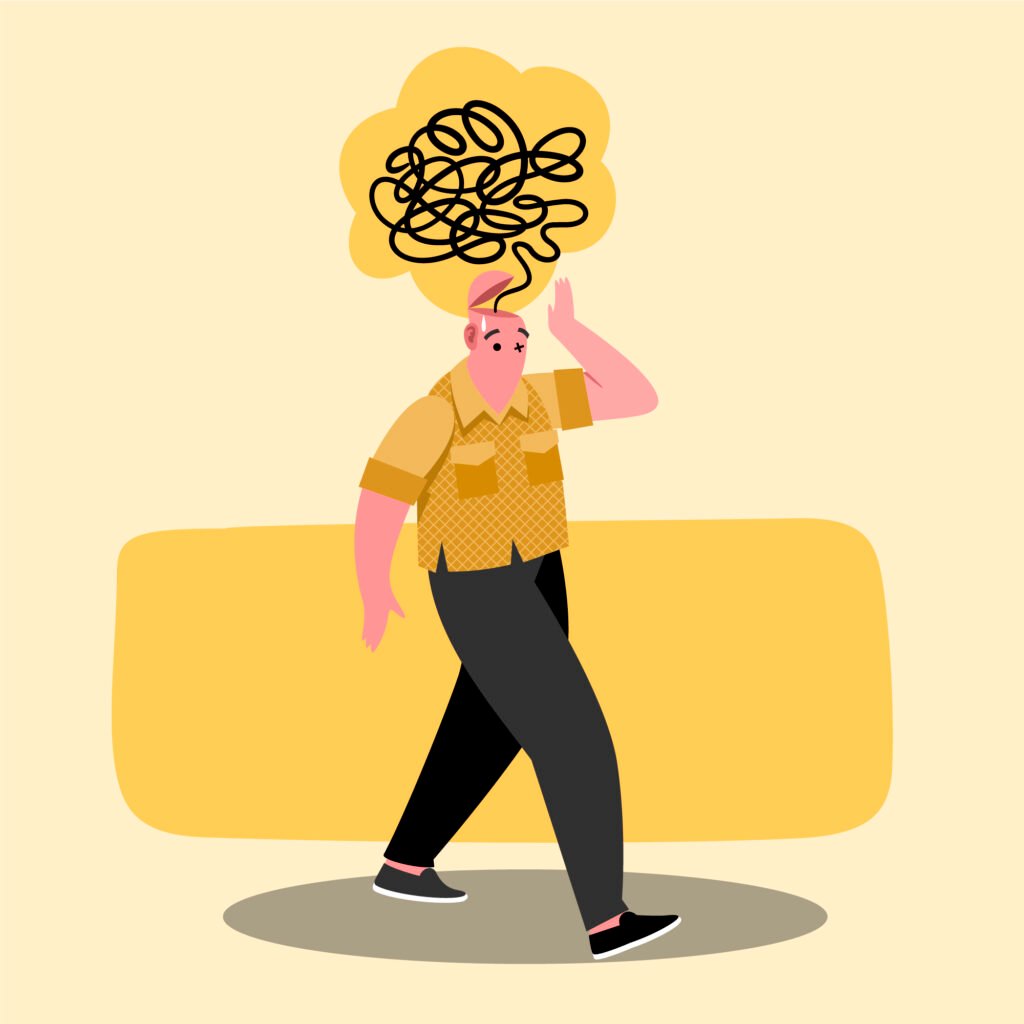
Agitation is a term commonly heard in medical and neurological contexts, but what does it really mean? As a neurology-focused copywriter with over a decade of experience, I aim to provide you with clear, patient-friendly information about agitation—what it is, why it happens, how it’s managed, and when to seek help.
What Is Agitation?
Agitation refers to a state of increased restlessness, irritability, or emotional distress. It often appears as excessive movement, difficulty sitting still, and outward expressions of anger or frustration. People experiencing agitation may find it hard to relax or control their emotions, making everyday tasks challenging. While anyone can feel agitated in stressful situations, agitation in a medical sense goes beyond normal stress reactions and can indicate an underlying health issue.
Common Causes of Agitation
Agitation can have numerous causes, which may include:
Medical conditions: Neurological disorders like dementia, Parkinson’s disease, brain injuries, and strokes frequently lead to agitation.
Mental health issues: Anxiety, depression, bipolar disorder, and schizophrenia are common contributors.
Medication side effects: Some drugs can trigger restlessness or irritability.
Physical discomfort: Pain, infections (like urinary tract infections), or dehydration can cause or worsen agitation, especially in older adults.
Environmental factors: Sensory overload, unfamiliar settings, or changes in routine may provoke agitation.
Recognizing Symptoms of Agitation
Symptoms of agitation can vary from person to person but may include:
Fidgeting, pacing, or repeated movements
Raised voice, shouting, or angry outbursts
Difficulty focusing
Insomnia or trouble sleeping
Sudden mood changes
If a loved one is showing signs of these behaviors and you’re concerned, visiting a specialized neurologist can be crucial for early intervention. You can learn more about how agitation is assessed at drsumitverma.com or book an appointment if you need professional guidance.
Agitation in Neurology: Why It Matters
In neurology, agitation is particularly significant because it can signal changes in the brain that affect behavior and cognition. For example, in Alzheimer’s disease or other dementias, agitation might be one of the initial symptoms or a sign that the condition is progressing. Prompt recognition and management are essential for improving quality of life and ensuring safety.
Diagnosis: How Is Agitation Evaluated?
Diagnosing the cause of agitation involves:
A thorough medical history
Neurological and psychological assessments
Blood tests to rule out infections or metabolic issues
Reviewing current medications
Brain imaging, if needed
If you or someone you care for is struggling with agitation and needs assessment, consider reaching out through the Contact Us page for tailored advice.
Treatment and Management of Agitation
Effective management relies on treating the underlying cause and creating a supportive environment. Approaches include:
Non-pharmacological methods: Calm communication, structured routines, reassurance, and minimizing triggers.
Medication: Only when necessary, doctors may prescribe medications to address severe agitation, especially if it poses a safety risk.
Therapeutic interventions: Cognitive-behavioral therapy and relaxation techniques can offer relief for some patients.
It’s important to note that ongoing support and expert guidance are key to managing agitation safely. Guidance from a neurology specialist can be invaluable; visit drsumitverma.com to discover more about available treatments.
When to Seek Help
Contact a doctor if:
Agitation is severe, persistent, or leads to aggressive behavior.
There’s a sudden change in personality or behavior.
It’s accompanied by confusion, fever, or other medical symptoms.
It affects daily functioning or safety.
Living With Agitation: Support for Patients and Families
Dealing with agitation can be stressful for patients and their families. Support groups, counseling, and learning practical coping strategies can make a difference. For trustworthy resources, the Alzheimer’s Association provides helpful tips for managing agitation at home, and the Mayo Clinic offers additional information on neurological conditions that can trigger agitation.
Conclusion
Agitation is a complex symptom that deserves attention and compassionate care. With the right support and guidance, patients and their loved ones can manage it more effectively and improve overall well-being. If you have questions, don’t hesitate to contact Dr. Sumit Verma’s team or book an appointment for individual advice.
External resources for deeper knowledge:
This blog is intended for informational purposes. For personal medical guidance on agitation or neurological care, always consult a qualified healthcare provider.