Encephalitis (मस्तिष्क की सूजन)
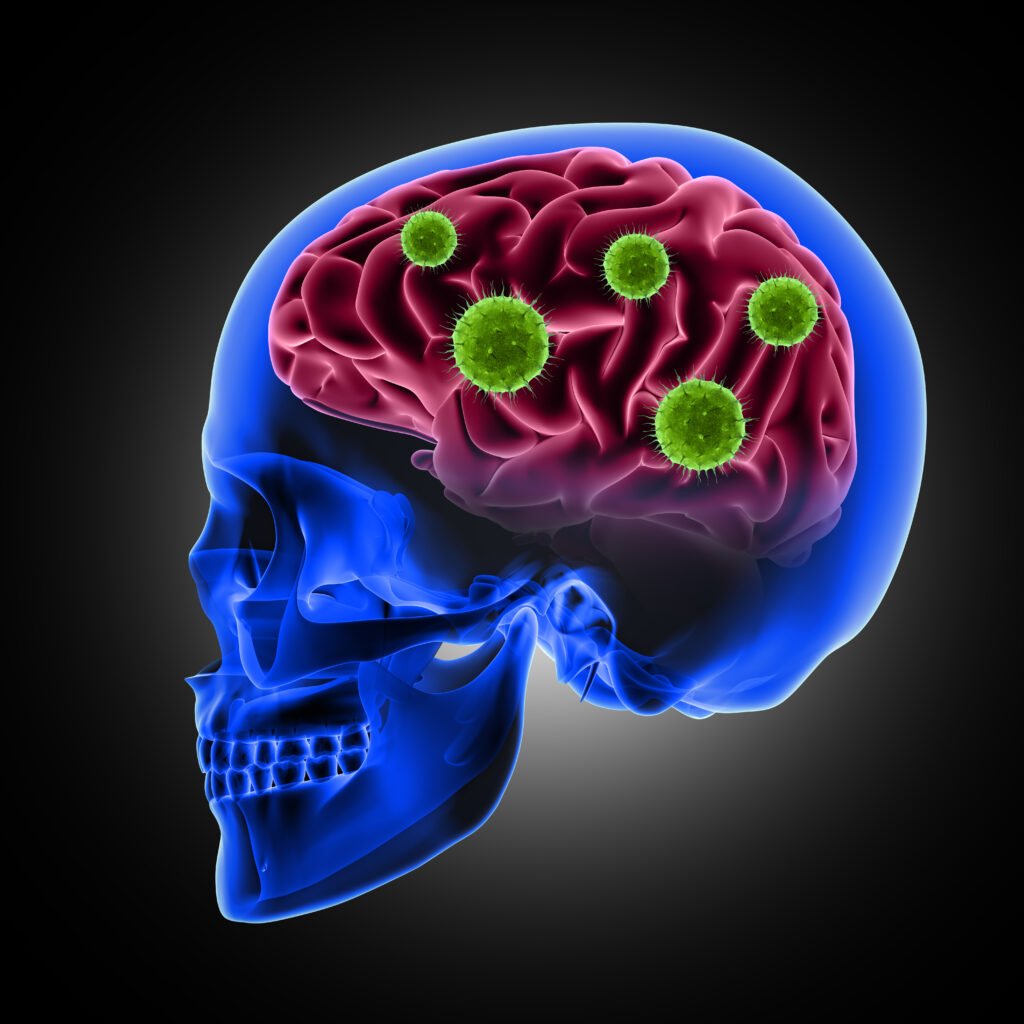
Encephalitis is a serious medical condition where the brain becomes inflamed, most commonly due to viral infections. While it can affect anyone, infants, older adults, and people with weaker immune systems are at higher risk. Early recognition and prompt treatment can help prevent complications and support recovery.
This article will break down the essentials of encephalitis for anyone seeking clear, reliable information. If you are concerned about symptoms or have further questions, Dr. Sumit Verma, a leading neurologist, is available for consultation at drsumitverma.com.
What Is Encephalitis?
Encephalitis is an inflammation of the brain tissue, usually caused by viruses like herpes simplex, mosquito-borne viruses, or certain bacteria and parasites. Sometimes, the body’s immune system mistakenly attacks the brain. There are two main types:
Primary encephalitis: The infection directly affects the brain.
Secondary encephalitis: The immune system reacts to a prior infection elsewhere in the body, leading to brain inflammation.
Common Causes of Encephalitis
The most frequent causes include:
Viral Infections: Herpes simplex virus (HSV) is one of the most common causes in adults. Other potential viruses include West Nile virus, Japanese encephalitis virus, measles, mumps, and enteroviruses.
Autoimmune Reactions: Sometimes the body’s immune system, while fighting an infection or other triggers, attacks healthy brain tissue.
Bacterial and Other Infections: Certain bacteria and parasites can also lead to encephalitis.
Curious to learn more about viral causes and prevention? You can find detailed information from the Centers for Disease Control and Prevention (CDC).
Symptoms of Encephalitis
Early symptoms can mimic mild flu, but they may quickly escalate to more severe issues. Watch for:
Headache
Fever
Sensitivity to light (photophobia)
Seizures
Stiff neck
Confusion or changes in personality
Drowsiness that progresses to unresponsiveness
Weakness or partial paralysis in limbs
Speech or hearing difficulties
If you or someone you know displays these symptoms, especially with fever and confusion, seek medical help immediately. You can quickly book an appointment with Dr. Sumit Verma for urgent care.
How Is Encephalitis Diagnosed?
Diagnosis typically involves a combination of:
Neurological examination: Evaluating reflexes, muscle strength, and brain function.
Brain scans: MRI or CT scans reveal inflammation or other abnormalities.
Lumbar puncture (spinal tap): Checks for infection or inflammation in the cerebrospinal fluid.
Blood tests: Help identify viruses or bacteria.
EEG (electroencephalogram): Measures brain activity to detect seizures.
Treatment Options
Treatment depends on the cause and severity:
Antiviral Medications: Used if the cause is a virus, especially HSV.
Antibiotics/Antifungals: For bacterial or fungal infections.
Anti-Inflammatory Drugs: Steroids can reduce inflammation, especially in autoimmune cases.
Supportive Care: Includes fluids, oxygen, medications to control seizures, and monitoring in a hospital.
Severe cases may require intensive care. Prompt treatment increases the chances of recovery and reduces the risk of lasting complications. For more details on treatments and rehabilitation, the Mayo Clinic has an excellent resource.
Recovery and Long-Term Outlook
Most people recover with timely treatment, but some may face lasting issues like memory problems, fatigue, or speech difficulties. Rehabilitation through physical, occupational, or speech therapy may be necessary.
Support groups and additional resources for coping are available at organizations like the Encephalitis Society.
Prevention: Can Encephalitis Be Avoided?
While not all cases are preventable, some steps reduce risk:
Vaccination: Vaccines are available for certain viruses (e.g., Japanese encephalitis).
Mosquito Protection: Use nets, repellents, and remove standing water to prevent bites.
Prompt treatment: Early care for infections and immune conditions reduces risk.
When to Consult a Neurologist
If you or a loved one experience sudden neurological symptoms, it’s essential to consult a specialist. Dr. Sumit Verma offers expert neurology services and comprehensive care for encephalitis and related disorders. For direct help, Contact Us or book an appointment today.
Key Takeaways
Encephalitis is a medical emergency—early action saves lives.
Symptoms range from fever and headache to confusion, seizures, and paralysis.
Most cases are caused by viruses but can also be triggered by bacteria or autoimmune reactions.
Modern diagnostics and treatments greatly improve outcomes, especially when started promptly.
Vaccination, personal hygiene, and mosquito protection can help prevent some forms.
For more patient-friendly resources or in-depth advice, you can always return to drsumitverma.com or reach out directly for support.

Dr. Sumit Verma
Neurologist
Dr. Sumit Verma
Hey, how can I help you today?
Powered by Elementor